

We help businesses stand out, so they significantly increase their chance of converting more leads
UX Design Services Melbourne
Website UX design with precision
Good UX design is what makes a website feel easy before the user even realises why. It is the structure, flow, hierarchy and interaction thinking that helps people find what they need, understand what matters and feel confident enough to act.
At Chromatix, we look closely at how people move through your website, where they hesitate and what they need before making a decision. We combine user experience design, conversion strategy, design psychology, content structure and digital strategy to create website journeys that feel calmer, clearer and more commercially useful.
For some websites, that means simplifying navigation, improving page layouts and strengthening CTAs. For others, it means mapping complex user journeys, redesigning enquiry paths, improving mobile flow or turning data insights into better design decisions. The outcome is a website experience that feels obvious to users and valuable to the business.
Let’s create a UX design strategy that helps your visitors understand, trust and act faster.
UX Design Features
Custom UX design for a smoother website experience
A website can look impressive and still make people feel lost. UX design is where the experience becomes easier to follow, easier to trust and easier to act on. We shape page structure, navigation, interaction patterns, content flow and visual hierarchy around how real users think, scan, compare and decide. Every choice has a job: reduce friction, guide attention and make the website feel more useful from the first click.
100% instinctive user paths
We design interactions around what users are trying to do, not what a page happens to contain. Buttons, forms, menus, cards and page pathways are shaped to make each next step feel clear, helpful and low effort.
Clear navigation experience
Navigation is one of the clearest signals of organisational maturity. We structure menus, pathways, service pages, landing pages and content groups so users can understand your website quickly and find the right information without digging.
Interface actions that feel obvious
UX and conversion should work together. We design interface elements such as CTAs, forms, enquiry points, sticky actions and microcopy to reduce hesitation and make important actions easier to complete.
10x better responsiveness across every screen
UX should not fall apart when the screen gets smaller. We design responsive experiences that keep navigation, content hierarchy, forms, CTAs and interaction points easy to use across desktop, tablet and mobile.
Layouts that guide better decisions
A strong UX layout helps users understand what matters first, second and next. We use hierarchy, spacing, content grouping and action cues to help visitors absorb information quickly and move forward with more confidence.
Visual cues that clear the fog
Good UX uses visual signals to quietly guide attention. Imagery, icons, contrast, directional cues and section rhythm can help users recognise priority information without feeling overwhelmed.
Mobile flows built for quick decisions
Mobile users need speed, clarity and focus. We design mobile UX around thumb-friendly actions, readable content, simple forms, clear page flow and easy access to the actions that matter most.
Accessible journeys for more users
Accessible UX makes websites easier for more people to use. We consider contrast, readability, form labels, keyboard navigation, interaction states and content clarity so the website feels more thoughtful, inclusive and professional.
#1 content flow that performs
UX is not only visual. The words, headings, labels, prompts and page order all shape user confidence. We help organise content so it answers questions at the right time and supports action without creating noise.
UX Website Development Features
Custom UX design built for smoother user journeys
UX design only reaches its full value when the website behaves the way the experience was planned. We develop the interactive details, responsive behaviours, page speed, form logic and frontend polish that make a user journey feel seamless in real life. The goal is not just a prettier interface, but a website that loads cleanly, responds naturally and keeps people moving without technical friction getting in the way.
Frontend builds for smoother journeys
We build UX concepts into responsive, usable interfaces that feel smooth across devices. Page layouts, components, menus, forms, animations and interactive states are developed to support clarity, speed and confidence.
100% transparent build
UX decisions can feel invisible when they are done well, so we make the thinking clear. We explain how structure, content, interaction and technical choices support the user journey and business goals.
CMS controls that protect the flow
Strong UX often needs a backend that supports clean content management. We can structure reusable content blocks, flexible page sections, form controls and admin tools so your team can maintain the experience without breaking the flow.
Performance that keeps users moving
A slow website can undo great UX. We optimise key experience points such as page load, image handling, scripts, forms and interactive elements so the journey feels fast and dependable.
CUSTOM UX DESIGN FOR Website Results
With over 151+ 5 star Google reviews & proven results since 2009
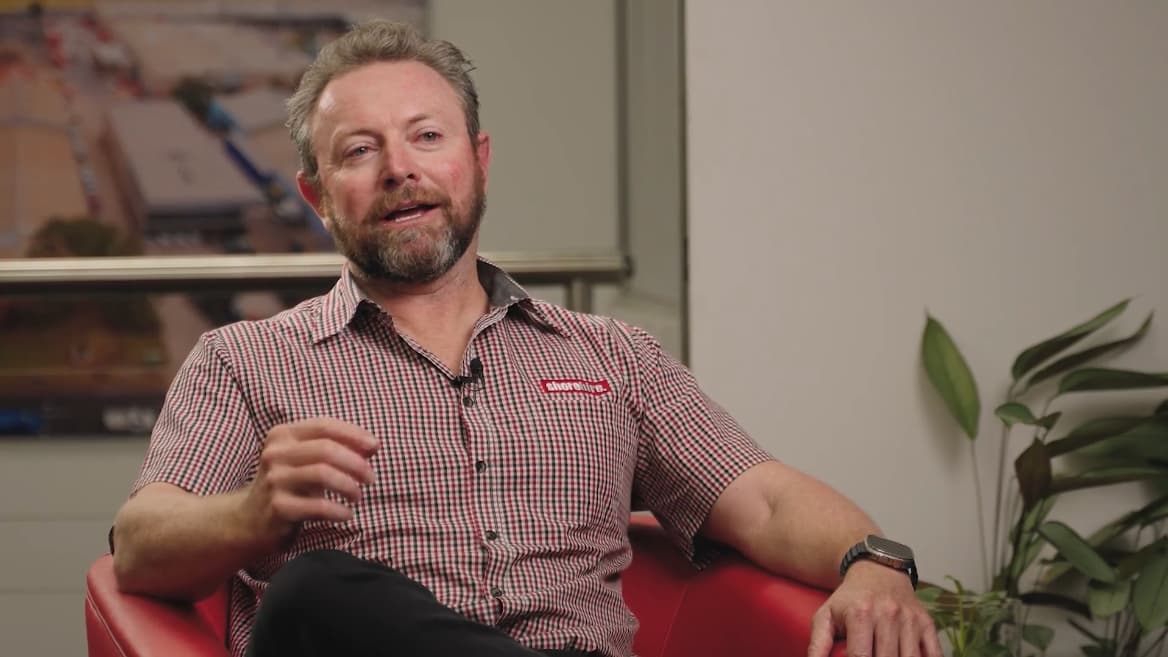
Our website conversion was decent before, but we’ve now even increased it by 50%! Our page speeds are also 7X faster, which helps our SEO. What we’re also seeing now is higher-quality leads. We’ve also improved our recruitment as the website better represents who we truly are. We are super proud of the website.
Luke, Tyler, Ashley & Steve - Shore Hire
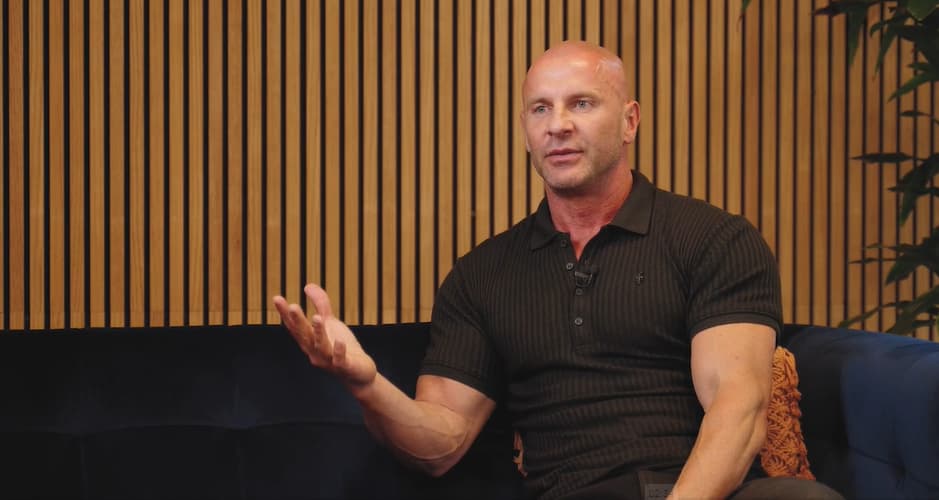
Chromatix taught me the true power of mastering attention to increase our chance of winning tenders. I now know it 100% works because of the feedback we’ve received from clients and the industry. As business owners, we’re always conscious of what things cost. The question I asked myself was, what’s the true cost of not improving my website?
Robert Krastich - Sharper
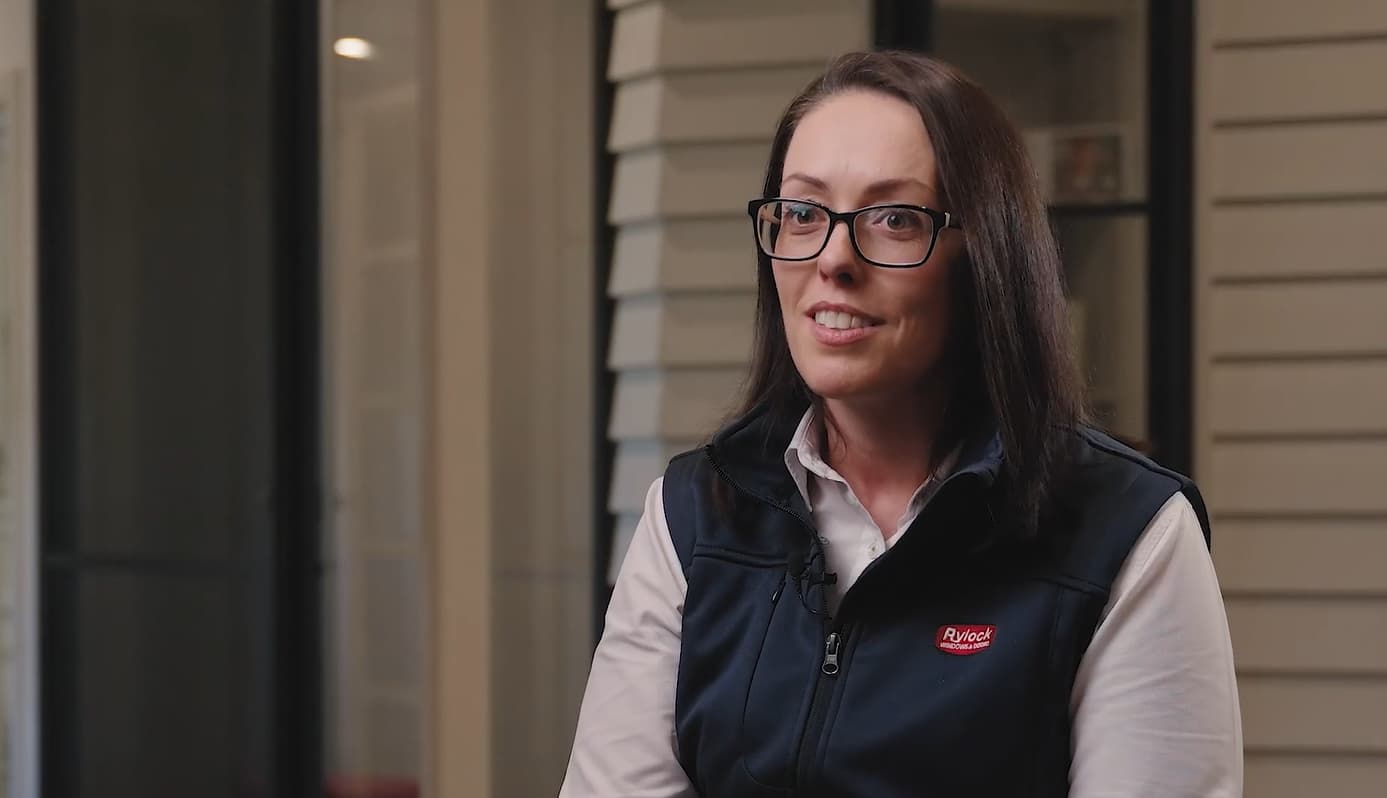
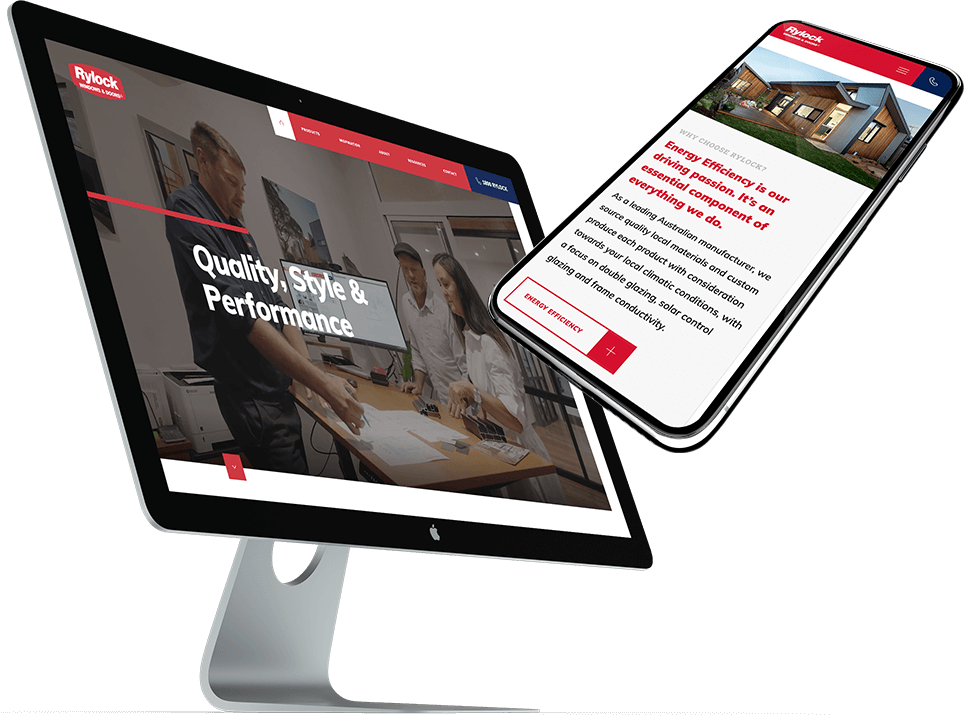
Our website is our greatest marketing asset. It was important that we had a trusted partner like Chromatix to assist us in delivering a growth strategy. We’ve now seen a 3x increase in traffic, an increase in user time on page & as a result, an increase in conversions & sales. We can certainly say hand on heart that our new website with Chromatix was pivotal to our recent growth!
Emma Truong - Rylock Windows & Doors
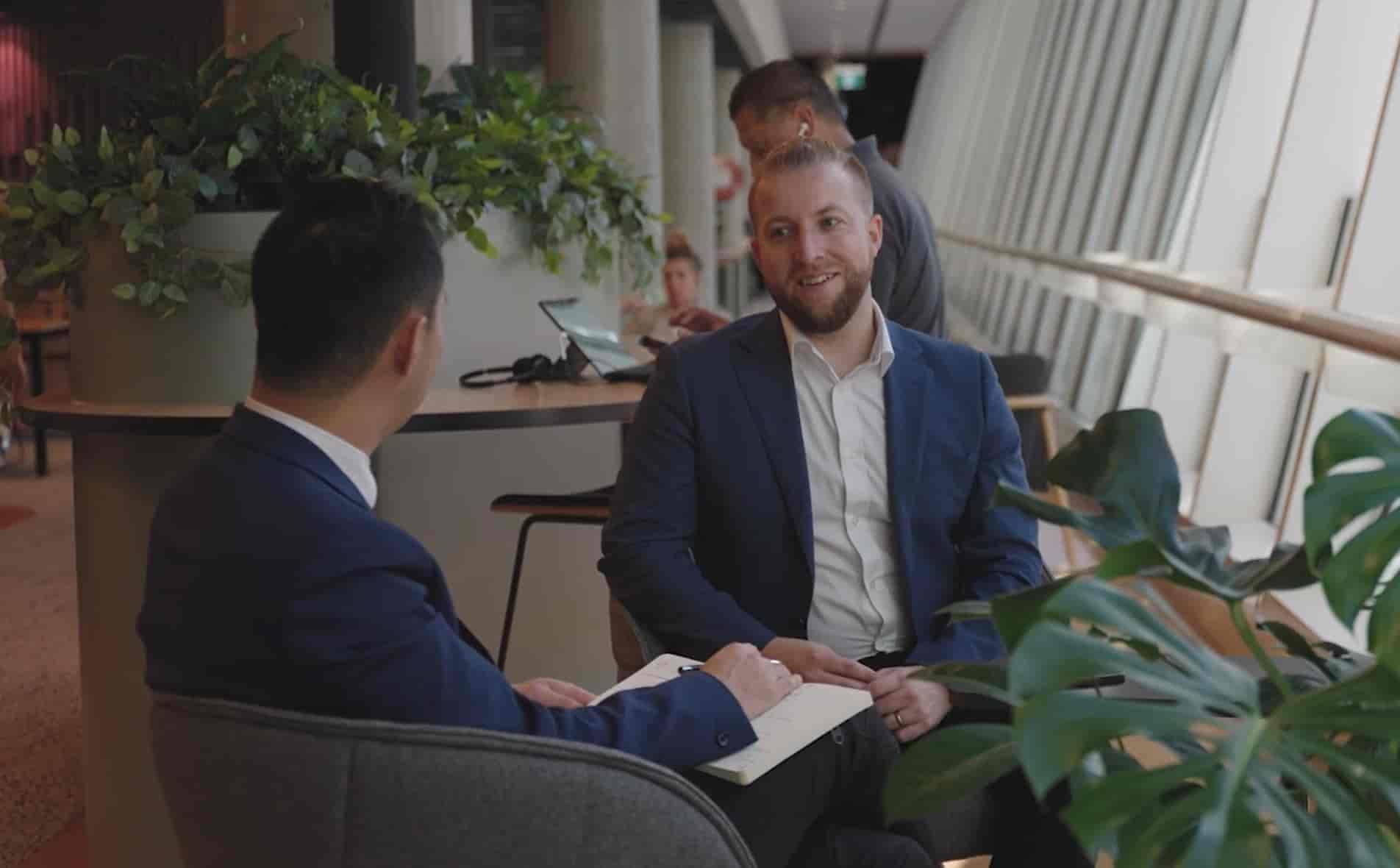
You were able to tell us multiple ideas straight away that helped us go from good to great, and you worked seamlessly with our team. Chromatix really understood our customers and our brand. Working with you was brilliant!
Mark Butler - Waterman Business Centres
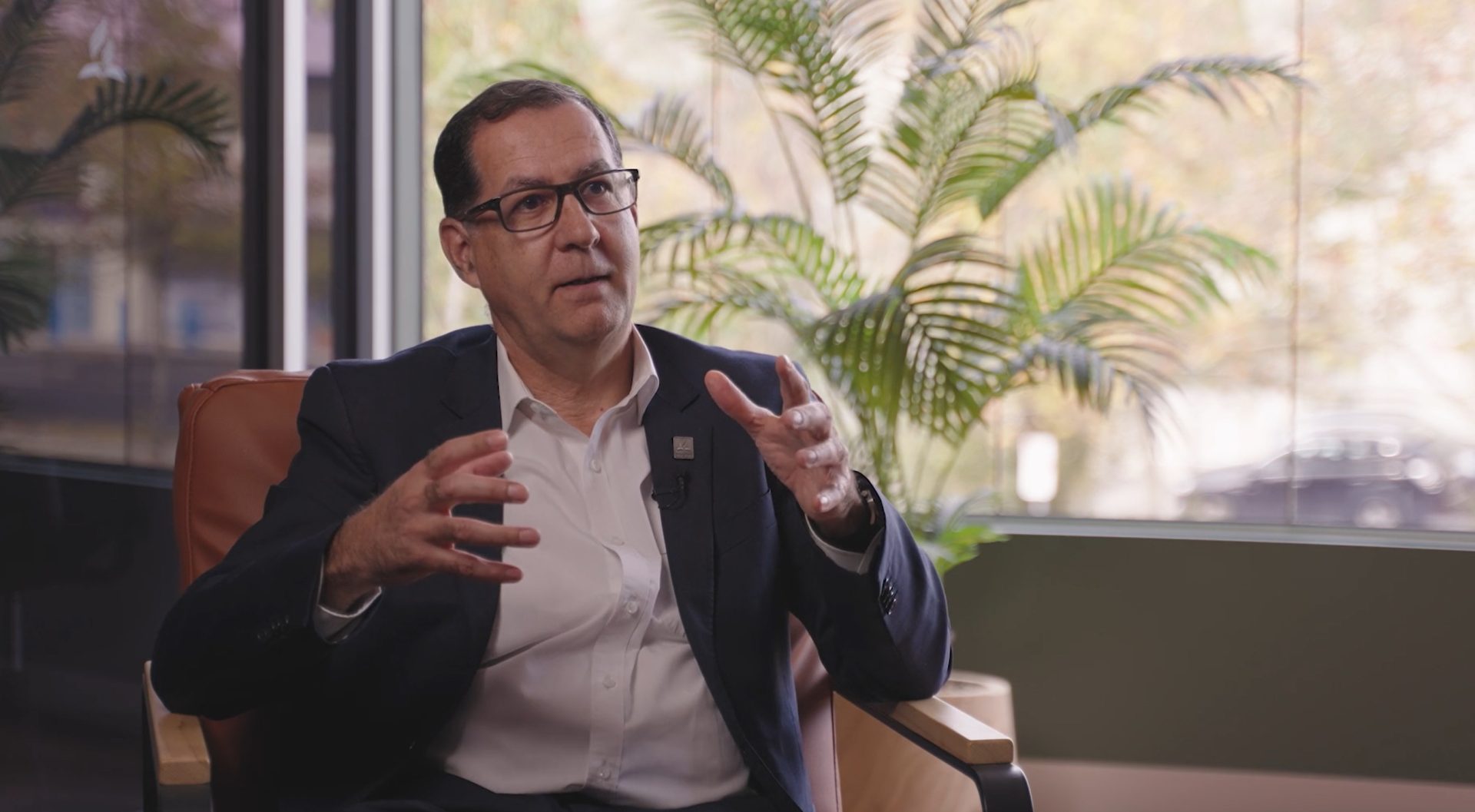
You’ve taken tech and made it so simple for us to understand. It’s been the perfect synergy of Chromatix understanding our complex needs and delivering with absolute perfection and professionalism!
Jacques Calais - Adventist Schools Australia
Chromatix saved us $15,000-$20,000 a year on wasted marketing spend & we also had an increase in the number of calls and enquiries just from the launch of the new website.
Steph & Alex - Resi Body Corporate
UX Design Philosophy
Designed for a guided user experience
UX design works best when it is grounded in how people actually think and behave. Users scan before they read, compare before they commit and leave quickly when the next step feels unclear. That is why we look beyond aesthetics and design around attention, confidence, motivation and friction.
At Chromatix, UX design is treated as a practical business tool, not a decorative layer. We use psychology-led structure, clean visual hierarchy, conversion thinking and content clarity to help people feel more certain as they move through your website.
For every change, these questions go through our minds:
- Design: Does it look great on all screen sizes?
- Development: Can it be done correctly?
- Marketing: Will this meet the business goals?
- Users Usability: Will users actually engage with the website?
- Admin Usability: Is this something that can be updated on a CMS?
- Analytics: How can we track it, is it worth tracking?
- Digital Strategy: Does it work towards the overall digital strategy?
We know by asking ourselves this question we ensure the purpose of your site is kept intact!
UX Design Agency Promise
Our promise for UX design
100% customised for real people
UX should not be built around assumptions, internal preferences or the loudest opinion in the room. We focus on what users need to understand, feel and do, then shape the experience around those moments with clarity and care. The result is a website that feels more natural because it respects how people actually think.
Designed with a practical purpose
We use design psychology to guide attention, reduce mental effort and support confident decisions. It is not about tricking people or forcing action. It is about making the website feel easier, more honest and more useful for the people who are already looking for a reason to trust you.
Exceeding industry standards
UX should help the website do its job. Whether that means more enquiries, better leads, smoother bookings, stronger product discovery or clearer service understanding, we connect design decisions to commercial purpose. Every improvement should help users move forward and help the business grow with more confidence.
Work with the UX team from day 1
You are not shuffled through a vague production line. You always work with the director of the agency and with the people, deliberately thinking through your strategy, design and build. We treat each project with an individual spotlight for analysis, brainstorming sessions and a unique approach to really bring out the best in our clients and our team for the best possible creative vision.
The thinking behind every detail
We share the thinking behind the journey, layout and interaction choices. That gives your team a clearer understanding of how users experience the website and why certain improvements matter. You do not just get better screens, you get better digital judgment.




UX Design FAQs
UX design questions answered
How does UX design improve website conversions?
UX design improves conversions by removing the friction that stops people from taking action. That might mean simplifying forms, making CTAs easier to find, improving mobile flow, clarifying service pages or organising information in a way that matches how users make decisions.
- Up to 400% conversion lift can be influenced by stronger UX, showing how much clearer journeys can affect action
- Up to 200% conversion improvement can come from better UI, making visual clarity and interaction design commercially important
- 8.4% higher conversions can come from a 0.1-second mobile speed improvement, proving that smoother experiences can directly support results
Better UX gives visitors fewer reasons to hesitate and more reasons to act. Let’s turn your website journey into a clearer path towards conversion.
Is UX design different from UI design?
Yes. UX design focuses on the overall user journey, while UI design focuses more on the visual interface elements people interact with. UX is about structure, logic, flow and behaviour. UI is about buttons, spacing, colours, visual polish and interactive details. The strongest websites need both to work together.
- UX shapes the journey and decision pathway
- UI shapes the look, feel and interaction points
- Together, they create a smoother website experience
Good UX and UI make your website feel both beautiful and easy to use. Let’s bring structure and polish together in one stronger digital experience.
Do you use data or research in UX design?
Yes. UX design should not be based on guesswork alone. Depending on the project, we can look at analytics, heatmaps, user behaviour, conversion pathways, enquiry data, content performance and stakeholder insights to understand where the current experience may be helping or holding people back.
- Analytics can show where users drop off
- Heatmaps can reveal attention and scrolling behaviour
- Journey reviews can uncover friction before conversion
Data-informed UX helps turn opinion into clearer design decisions. Let’s use real user behaviour to shape a smarter website experience.
Can UX design improve an existing website?
Yes. UX design can improve an existing website without always needing a full rebuild. Sometimes the biggest gains come from clearer navigation, stronger page hierarchy, better mobile layouts, improved forms, sharper CTAs or more useful content sequencing across key pages.
- Improve high-value pages before rebuilding everything
- Reduce friction in enquiry, booking or checkout paths
- Strengthen mobile usability for faster decision-making
UX improvements can make your current website feel more useful and commercially focused. Let’s uncover the friction points holding your website back.
Born & bred web solution specialists
Website design & development
- Information / eCommerce websites
- Conversion-focused web design
- Local & custom UI / UX design
- CMS development
- QA testing & integrations
Advanced custom web solutions
- Headless CMS solutions
- Advanced filters & instant search
- Integration with existing systems
- Secure eCommerce & logins
- Localisation & accessibility
- Web3 development*
Web conversion & CRO strategies
- Conversion insights & audit
- Value messaging creation & review
- Google Analytics review
- User journey analysis for ROI
- Visual hierarchy & conversion priority
- Web optimisation strategy & testing
Web API integration solutions
- Operational efficiency audit
- API integration analysis & development
- Dashboard design & development
- Reliability & performance analysis
- Technical liaison with API providers
Digital consultancy & agency strategies
- BA & project management
- Marketing & search audit
- 1 to 1 workshops & focus groups
- Analytics planning & conversion tracking
- Technical & product support
Web portals & web applications
- Concept validation & technical analysis
- Dashboards, customer & trade portals
- Advanced onsite search & autocomplete
- B2B eCommerce with ERP integration
Why Choose US for UX Design
How UX design elevates your website
UX design has a direct impact on how people experience your website and how confident they feel taking the next step. A confusing journey can make a strong business look scattered. A clear one can make your value easier to understand, your brand easier to trust, and your website easier to act on.
Choosing a professional UX design agency helps bring structure, behaviour, content, design and conversion thinking together. It means your website is not shaped by guesswork or decoration alone, but by the way real users move, decide and respond.
Choosing a professional agency to work on the UX design of your website comes with key benefits
- Clearer user journeys: Professional UX helps visitors understand where they are, what matters and what to do next.
- Stronger conversion pathways: UX design can reduce hesitation around forms, CTAs, bookings, enquiries, product choices and key decisions.
- Better mobile usability: A thoughtful mobile UX makes the website easier to scan, navigate and act on across smaller screens.
- More useful content structure: The right page order, headings and prompts help users get answers before they lose interest.
- Smarter design decisions: UX brings psychology, data, research and business goals together so the website feels more mature and purposeful.
You get a website experience that feels clearer for users and more commercially useful for your business. Visitors understand faster. Decisions feel easier. Your website becomes a stronger tool for trust, action and conversion.